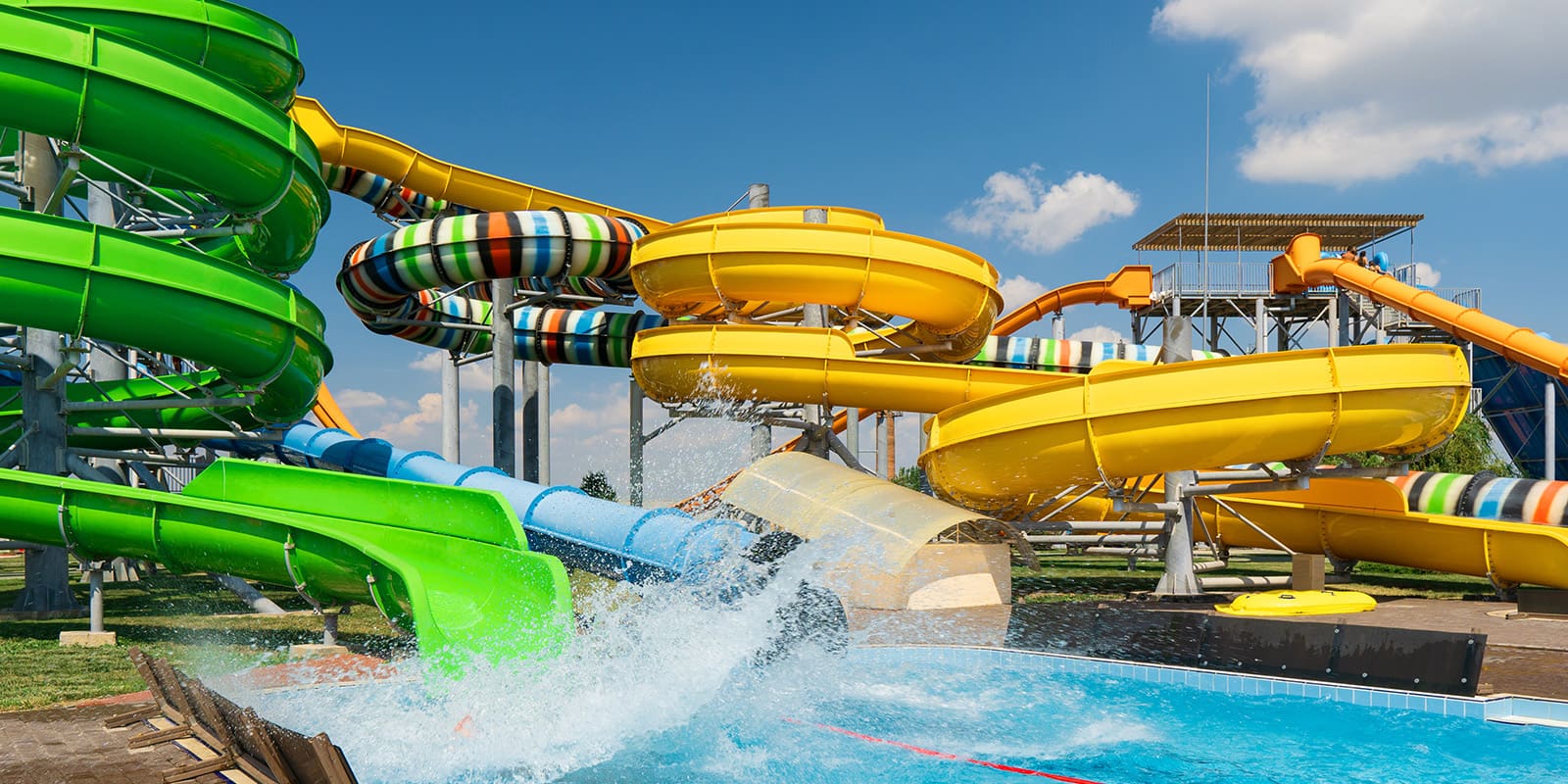
Expert security opinion in public attraction assault litigation
A civil litigation matter required expert security opinion on trained response capability at a large public-facing waterpark.
The Challenge
The engagement arose from a civil dispute involving an alleged physical altercation between guests at a public waterpark. The central question was whether the facility ought to have had trained security personnel, or personnel trained in security-related matters, to respond to incidents such as fights, disorder, or guest-on-guest violence.
The setting involved a large aquatic recreation environment with guests, families, lifeguards, operations staff, and possible security-related response responsibilities. The matter raised questions about emergency procedures, staff training, crowd management, surveillance, deterrence, documentation, and the role of trained response capability.
The work was complicated by the historical nature of the incident, incomplete or unavailable documentation, and the litigation context. MWG did not conduct a physical site review and was limited to the materials provided, related industry documentation, open-source and procured material, and the opposing expert report in the rebuttal phase.
Our Approach
MWG began by reviewing matter-related documents provided by the client and counsel. These included pleadings, examination materials, document briefs, employee orientation materials, lifeguard guidance, and other case-related information.
The first phase identified the core expert question. MWG then reviewed available facility materials for references to security, fights, emergency situations, crisis team response, lifeguard guidance, staff training, and incident classification.
The analysis compared the available material against relevant security, risk management, aquatic safety, amusement industry, emergency planning, and public venue security references. These included ASIS guidance, aquatic safety planning resources, public aquatic facility standards, amusement and public event safety guidance, Ontario regulatory materials, CAP Index crime forecasting, routine activity theory, capable guardianship, deterrence principles, CPTED, private security research, and professional experience in theme park security and public venue operations.
A later phase involved reviewing an opposing expert opinion and preparing a rebuttal response. MWG identified areas of agreement, disagreement, and further context related to lifeguard situational awareness, data-informed security planning, deterrence, private security, surveillance, CPTED, and reasonable security measures.
Final deliverables
The Outcome
The client received an independent expert security opinion addressing whether trained security personnel, or personnel trained in security-related matters, should have been available for incidents such as guest altercations, assaults, disorder, or other security-related emergencies.
The initial report provided structured analysis of the available documentation, identified gaps or uncertainties, and offered opinion on trained security-related response capability. The rebuttal report addressed issues raised by an opposing expert, including regulatory context, lifeguard situational awareness, data use, deterrence, capable guardianship, and reasonable public attraction security measures.
The engagement helped frame the matter as more than a first aid or aquatic response issue. It clarified the relevance of security risk management, documented procedures, staff training, surveillance, deterrence, and emergency preparedness in public attraction environments.
Key insight
Get the strategy needed to reduce risk with confidence

Get the strategy needed to reduce risk with confidence
Start with a confidential discussion about your right next step.
Related Case Studies
Expert security opinion in public attraction assault litigation

National loss prevention program development for a distribution and logistics organization