Municipal security audit and risk assessment across 27 facilities
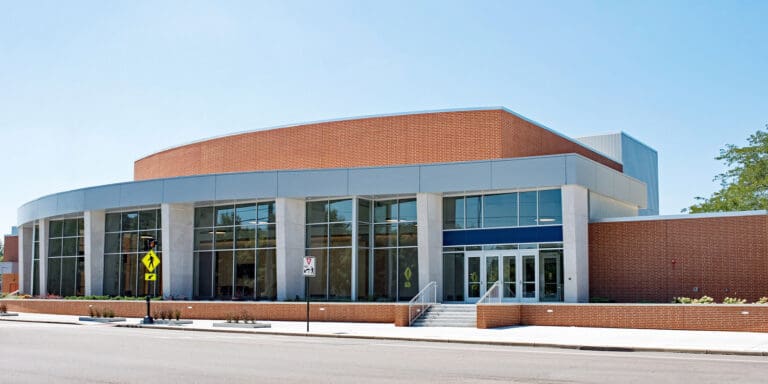
A municipal government required a comprehensive security audit and risk assessment to evaluate security practices across a diverse portfolio of public facilities.
The Challenge
The municipality sought an independent assessment of security practices across a wide range of municipally owned and operated facilities. The engagement needed to evaluate physical security, operational procedures, technology, and governance while providing practical guidance for future investment and contracted security services.
The project was initiated to identify vulnerabilities, recommend security enhancements, and support a future competitive procurement process. The municipality also required site-specific recommendations, implementation priorities, budget guidance, and realistic timelines that reflected the different needs of each facility.
The engagement involved facilities with varying functions, ages, levels of public access, and security maturity. Seasonal assessment conditions, inconsistent security standards, legacy infrastructure, and varying staff awareness added complexity. Recommendations also needed to balance public accessibility with effective security while protecting confidential information that could expose existing vulnerabilities.
Our Approach
The engagement began with coordinated planning across the municipal facility portfolio. Each assessment examined physical security measures, operational practices, security technology, policies, procedures, and human factors to develop a complete understanding of each facility’s security posture.
Daytime and nighttime site visits evaluated lighting, access points, perimeter conditions, parking areas, visibility, infrastructure, and after-hours operating conditions. Reviews also examined access control systems, CCTV, intrusion detection, alarm response protocols, and the effectiveness of existing security measures.
Operational practices involving staff, contractors, visitors, and the public were assessed alongside key control procedures, emergency protocols, and contracted guard services. Every facility received tailored recommendations supported by cost estimates and phased implementation timelines categorized by Year 1, Year 2, Year 3, or future consideration.
The engagement applied security risk assessment methodology, physical security audit methodology, Crime Prevention Through Environmental Design informed observation, technology evaluation, policy and procedure review, daytime and nighttime assessments, and practical municipal security planning. The work involved municipal leadership, facility staff, public works representatives, recreation and community facility personnel, procurement teams, and other departmental stakeholders.
Final deliverables
The Outcome
The engagement gave the municipality a clearer understanding of security conditions across its facilities, highlighting inconsistent security baselines, technology gaps, operational issues, staff awareness challenges, and the limitations created by legacy infrastructure.
Individual assessment reports and portfolio-level summary information enabled leadership to prioritize improvements using practical implementation timelines and budget guidance. The findings also supported more informed procurement planning for future contracted security services.
Without this work, the municipality may have continued operating with inconsistent security practices, uneven technology deployment, limited visibility into facility-specific risks, and fewer tools to support informed budgeting and procurement decisions.
Key insight
Get the strategy needed to reduce risk with confidence

Get the strategy needed to reduce risk with confidence
Start with a confidential discussion about your right next step.
Related Case Studies

Expert security opinion in public attraction assault litigation
National loss prevention program development for a distribution and logistics organization